Economical Custom Produce Boxes: Excellent Packaging for Any Price Range
Cost-effective personalized vegetable boxes serve a critical function in modern business practices. They blend superior standards and budget-friendly pricing, rendering them available to a broad spectrum of organizations. These boxes strengthen corporate image while also appealing to eco-conscious consumers. Enterprises can accomplish this goal without burdening their financial resources. Learning the core characteristics and substance selections will demonstrate how such packaging can enhance client satisfaction. The next steps may hold the key to unlocking increased achievement.
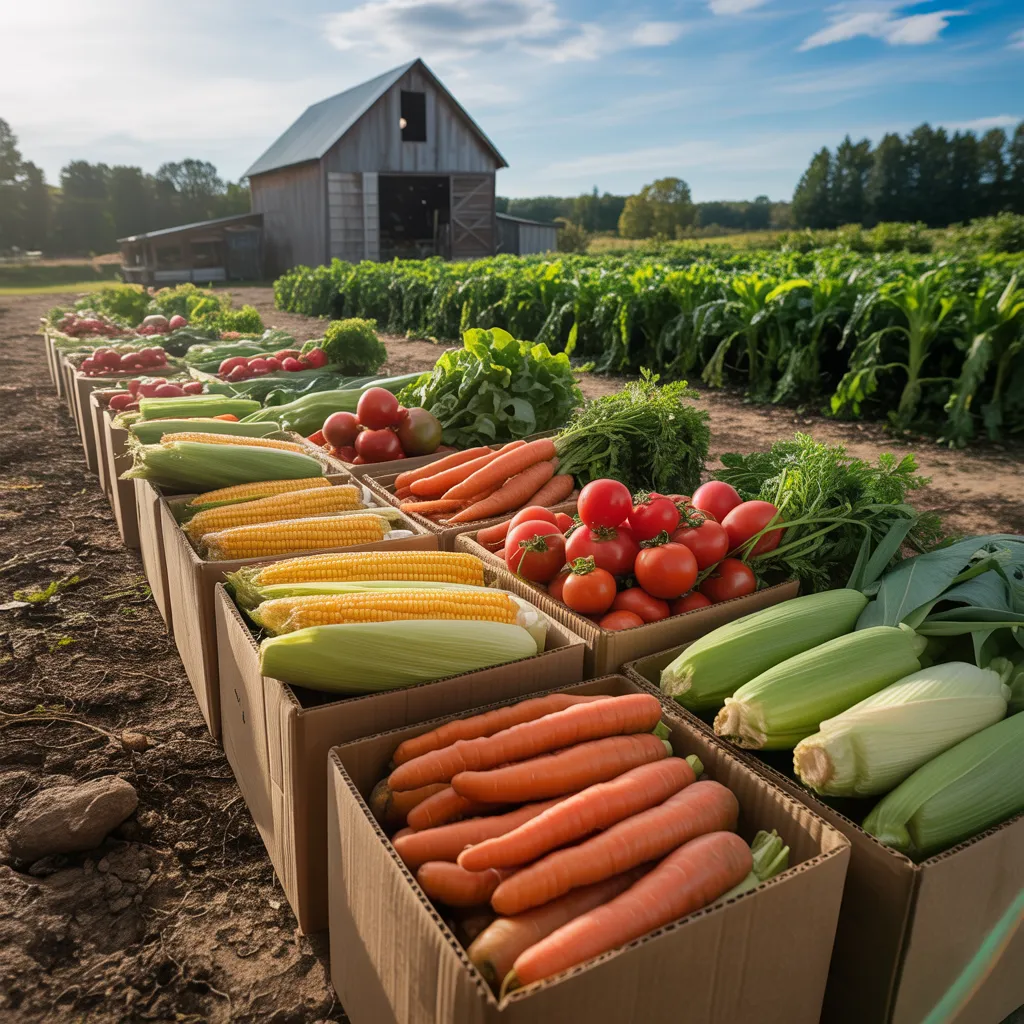
Custom Produce Boxes: Why They Matter for Your Commercial Operation
Custom product boxes act as an essential element in establishing a business's brand identity and boosting customer experience. These boxes are not just utilitarian; they act as a brand symbol, capturing attention and encouraging recognition. Eye-catching designs and quality materials communicate professionalism and care, separating a business from competitors in the market.
In addition, made-to-order packaging allows companies to relay their values, such as sustainability or locally-produced sourcing, directly to consumers. This bond generates reliance and loyalty, encouraging repeat purchases.
Furthermore, the proper packaging can enhance the opening experience, converting a simple transaction into a memorable event. As customers come across unique packaging, they are more likely to share their experiences on social platforms, boosting brand awareness.
Essentially, custom produce boxes safeguard items while also serving an important function in brand promotion and customer relationships, rendering them a worthwhile commitment for any company.
Essential Elements for Budget-Friendly Custom Produce Packaging
Affordable custom produce packaging should focus on specific features that equilibrate cost and efficiency. First, resilience is crucial; packaging must resist handling and transportation without affecting the integrity of the produce. In addition, light-weight materials can decrease shipping costs while retaining protection. Customization options, such as branding and size adjustments, enhance marketability without greatly increasing expenses.
Proper airflow is another critical aspect; ventilated packaging preserves freshness, limiting spoilage and waste. Additionally, effortless assembly and disassembly workflows advances cost-effectiveness by refining the packing process. Eco-friendliness gains greater importance; choosing recyclable or biodegradable materials engages environmentally conscious consumers, boosting brand image. Finally, comprehensive labeling choices support inventory management and compliance with regulations. By prioritizing these essential features, businesses can create cost-effective custom produce packaging that meets both functional and budgetary needs.
Assessing Product Alternatives for Cost-Effective Produce Boxes
When considering affordable custom produce boxes, choosing the right materials is indispensable. Cardboard and plastic options each offer different benefits, influencing both expense and sustainability. In addition, exploring green options can deliver creative design approaches that fulfill budget constraints while fostering ecological consciousness.
Cardboard Versus Plastic Options
Although both cardboard and plastic serve as viable materials for produce boxes, their distinct characteristics can greatly influence cost and sustainability. Cardboard, typically less expensive, offers outstanding customization options and is commonly reusable, appealing to companies seeking cost-effective solutions. However, it might not resist moisture well, possibly damaging product integrity. In contrast, plastic boxes deliver durability and protection to water, making them suitable for longer holding periods. They can be more expensive upfront but are recyclable, which might reduce costs over time. Ultimately, the choice between cardboard and plastic relies on specific needs, including financial constraints, product type, and preferred longevity, highlighting the importance of assessing both material options before making a decision.
Eco-Friendly Material Decisions
Eco-friendly material selections play an essential role in the design of affordable produce boxes, affecting both environmental impact and market appeal. Options such as post-consumer recycled cardboard and biodegradable materials are increasingly favored for their sustainable properties. Post-consumer recycled cardboard reduces waste and minimizes the demand for virgin materials, making it a popular choice among environmentally conscious consumers. Additionally, biodegradable alternatives, such as plant-based plastics, offer an eco-friendly solution that decomposes without leaving harmful residues. These materials not only improve the produce box's sustainability profile but also attract customers who prioritize eco-friendliness. Ultimately, selecting the right materials is critical for producers looking to balance affordability with environmental responsibility, contributing to a more sustainable packaging industry.
Budget-Friendly Creative Solutions
Examining cost-effective design solutions for affordable produce boxes reveals a variety of material options that balance quality and price. Cardboard stands as a popular choice, offering durability and lightweight attributes at a low cost. Corrugated cardboard enhances structural integrity, making it well-suited for heavier produce while still being budget-friendly. For a more eco-conscious approach, recycled paperboard presents a renewable alternative without losing affordability. Additionally, plastic alternatives, such as biodegradable or reusable materials, can yield long-term savings despite higher initial costs. Each material brings unique benefits, giving businesses the ability to select based on their specific needs, assuring that quality packaging is kept accessible for all budgets while effectively protecting the contents within.
Budget-Friendly Tips for Sourcing Custom Packaging
When acquiring custom packaging on a limited funds, companies can benefit from a planned strategy that prioritizes cost efficiency without sacrificing quality. First, evaluating multiple suppliers is crucial; this allows for a improved comprehension of pricing options and offered selections. Additionally, opting for standard sizes and designs can greatly reduce costs, as specialized molds and distinctive forms often incur increased costs.
A helpful suggestion involves buying items in large quantities, which frequently results in discounts and lower per-unit costs. Furthermore, companies ought to evaluate local suppliers to minimize shipping fees and strengthen local economic growth.
Ultimately, examining sustainable alternatives can not only be cost-effective but also appeal to sustainability-focused customers. By putting into practice consult now these affordable approaches, businesses can guarantee quality custom packaging that meets their financial constraints while still successfully addressing their packaging purposes.
Boosting Your Produce Boxes With Custom Brand Identity
Custom marketing on produce boxes can profoundly affect consumer perception, making attention-grabbing visuals essential for attracting attention. Moreover, incorporating environmentally responsible materials not only strengthens the aesthetic appeal but also reflects rising eco-consciousness among consumers. In combination, these elements can boost a brand's identity and industry standing.
Eye-Catching Designs Matter
Attractive visuals play a essential role in the marketing of produce boxes, greatly affecting consumer perception and buying decisions. A carefully designed box can draw attention on crowded shelves, enabling products to become distinctive. Unique graphics, vibrant hues, and clear lettering help communicate the brand's identity and principles, fostering an personal bond with consumers. Additionally, visuals that showcase freshness and quality can enhance the perceived worth of the produce inside. Custom branding not only differentiates products from competitors but also encourages product allegiance among consumers. As customers increasingly seek attractive containers, investing in eye-catching designs becomes necessary for companies striving to boost sales and create a memorable presence in the marketplace.
Sustainable Material Solutions
Choosing eco-conscious component solutions for packaging containers enhances their appeal while also meeting surging consumer demand for sustainable products. Numerous organizations are adopting naturally decomposable, compostable, and reprocessable resources, which reduce environmental consequences while ensuring functional performance. Alternatives such as corrugated cardboard and natural polymers deliver robustness and protection for fresh produce. Branded customization can be naturally blended into these materials, enabling organizations to express their environmental dedication. Through using green printing methods and understated layouts, entities can better showcase their sustainability goals. Fundamentally, adopting green options builds a strong brand reputation and appeals to sustainability-focused shoppers, producing a beneficial outcome for all organizations and the environment.
Case Studies: How Small Businesses Triumphed Through Custom Produce Packaging
Small enterprises have altered their branding and sales strategies through state-of-the-art packaging for agricultural products. One remarkable example is a local organic farm that modernized its packaging to introduce vibrant, environmentally conscious boxes. This not only boosted the farm's graphic presence but also demonstrated its pledge toward environmental stewardship, resulting in a 30% increase in sales.
Another situation included a small grocery store that implemented custom, labeled produce boxes. This approach improved organization and customer experience, contributing to a 15% growth in repeat customers.
A third enterprise, a community-supported agriculture (CSA) program, implemented personalized containers highlighting local artwork. This creative strategy promoted local loyalty and loyalty, ultimately boosting membership by 25%.
These case studies prove that effective custom produce packaging can significantly drive small business growth, reinforcing brand image and nurturing customer engagement while preserving affordable pricing.
Frequently Asked Questions
What volume minimums apply when purchasing custom fresh boxes?
Minimum order volumes for custom produce boxes commonly range from 100 to 500 units, contingent on the supplier. Variables like design intricacy and material choice also shape the required minimums for orders.
What s Turnaround Time for Receiving Custom Produce Boxes?
You can anticipate to get custom produce boxes in roughly two to four weeks after submitting an order. Elements including complexity of the design and manufacturing schedules may affect the overall timeframe for shipment.
Is It Feasible to Create My Own Personalized Produce Box?
Yes, people can create their own bespoke produce packaging. Many companies offer digital design tools, allowing customers to select measurements, hues, and imagery, guaranteeing a personalized packaging solution that meets their unique requirements and tastes.
What Sustainable Alternatives Exist for Custom Packaging?
Yes, many eco-conscious solutions are offered for tailored packaging. Companies deliver components like recycled cardboard, biodegradable plastics, and plant-based inks, allowing organizations to design sustainable packaging approaches that decrease environmental impact while still satisfying their brand needs.
How Much Does a Typical Custom Produce Box Price?
A typical cost bracket for custom produce boxes varies between $0.50 to $3.00 per unit, contingent on materials, size, and complexity of the design. Large-scale orders can lower costs substantially, presenting more economical options for companies.