Food Packaging Trends: What's Hot for Eco-Friendly Food Storage
The landscape of food packaging is shifting towards sustainability. Biodegradable materials and eco-friendly alternatives to plastics are becoming essential. Advances in reusable and intelligent packaging solutions are appearing, balancing practicality with reduced environmental impact. Clean and minimalist packaging approaches are rising in prominence, highlighting efficiency alongside aesthetic value. As consumer awareness grows, brands must adapt to these changes. The critical question is how these evolving trends will redefine food storage solutions and shape the decisions of consumers.
Why Biodegradable Materials Matter for a Sustainable Future
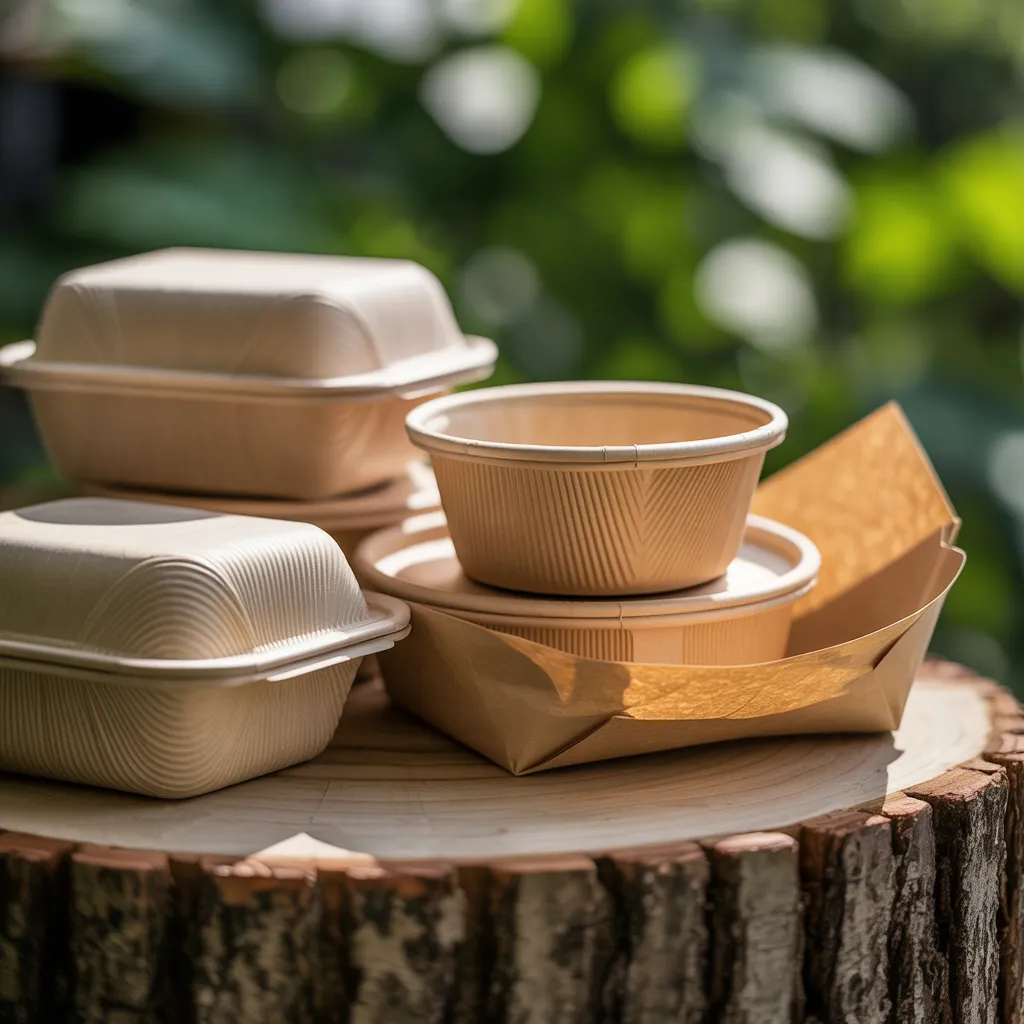
As environmental issues grow increasingly pressing, the need for biodegradable materials in food packaging becomes undeniably clear. Standard plastic packaging is a major contributor to worldwide pollution, requiring hundreds of years to break down while endangering wildlife. By comparison, biodegradable materials provide a sustainable solution that decomposes organically, reducing landfill waste and environmental impact.
Such materials, commonly obtained from renewable resources, not only help minimize pollution but also contribute to a circular economy by reintroducing nutrients back into the earth. Advancements in biodegradable packaging, including plant-based films and compostable containers, are attracting growing interest from both consumers and businesses.
Additionally, mounting regulatory demands and rising consumer preferences for environmentally friendly solutions are compelling organizations to implement these sustainable approaches. By incorporating biodegradable materials, the packaging industry can serve a critical function in reducing climate change and promoting a healthier world for generations to come. This transition represents an essential move toward a more accountable and sustainable tomorrow.
Eco-Friendly Alternatives to Single-Use Plastics: A Comparison
As single-use plastics have controlled the food packaging landscape for many years, a expanding array of environmentally friendly alternatives is developing as practical substitutes. Options including biodegradable films, compostable containers, and plant-based plastics offer promising options for minimizing environmental impact. Biodegradable films, commonly derived from starch or cellulose, break down more quickly in natural environments compared to traditional plastics. Compostable containers, made using renewable resources, offer a sustainable choice for foodservice applications, particularly in contexts focused on minimizing waste. Additionally, plant-based plastics, such as polylactic acid (PLA), provide similar performance qualities to conventional plastics while coming from renewable materials. Every option carries unique benefits and challenges, including cost, availability, and specific use cases. As consumer understanding grows, these sustainable options are proving critical in the fight against plastic pollution, creating a path for a more sustainable future in food packaging.
Progress in Green Food Packaging: Reusable Approaches
Innovations in eco-friendly food packaging are progressively centered on reusable solutions that decrease environmental footprint. The advent of sustainable biodegradable resources is accompanied by the development of durable containers built for repeated use. Furthermore, innovative design features enhance functionality, making these options useful and attractive to customers.
Biodegradable Materials Evolution
The shift toward sustainable materials in food packaging is revolutionizing the industry, providing green solutions that combat ecological challenges. Breakthroughs in bioplastics, derived from natural origins like corn starch and sugarcane, are becoming popular as they break down more readily than traditional plastics. These solutions provide the required durability for food storage while also decreasing landfill waste. Companies are increasingly dedicating resources to research to improve the quality and accessibility of biodegradable options, serving eco-conscious consumers. Moreover, the rise of standards for compostable packaging is promoting openness and buyer confidence. As awareness of environmental issues grows, the demand for biodegradable materials in food packaging is projected to intensify, creating a more sustainable future for the industry.
Long-Lasting Reusable Containers
As sustainability in food packaging continues to gain importance, sturdy reusable containers are becoming a practical means of reducing disposable packaging waste. These containers are designed for longevity, allowing consumers to safely store and carry food for longer durations. Made from materials like glass, stainless steel, and high-quality plastics, they hold up through continuous use and are commonly dishwasher safe, simplifying maintenance. The shift towards durable options reflects a broader commitment to environmental responsibility, given that they considerably lessen the need for throwaway containers. Moreover, businesses that incorporate reusable containers tend to enjoy stronger consumer loyalty, because shoppers recognize and support the sustainable option. At their core, sturdy reusable containers provide a meaningful solution for lowering ecological impact while boosting food preservation performance.
Innovative Design Features
As sustainability becomes a priority in food packaging, innovative design features are emerging that enhance the functionality and appeal of reusable solutions. Today's reusable containers now feature materials that are not only environmentally friendly but also adaptable, such as bioplastics and reclaimed fibers. Sophisticated sealing mechanisms ensure freshness while minimizing waste, and modular designs allow for easy stacking and storage. Moreover, many brands are embracing smart technology, offering features like QR codes for tracking freshness or recipe suggestions. Consumer-friendly designs, such as collapsible or foldable alternatives, address consumers' needs for convenience. These advancements not only encourage sustainability but also drive a shift in consumer habits towards more responsible food storage practices, rendering reusable solutions increasingly appealing in today's market.
How Smart Packaging Technologies Enhance Sustainability
Though standard packaging has frequently been connected to ecological challenges, advanced packaging technologies are surfacing as a revolutionary solution that strengthens environmental responsibility. These advanced systems utilize sensors and indicators to monitor product freshness, greatly reducing food waste. By supplying live data on product deterioration, they allow consumers and retailers to make educated decisions, substantially lengthening the lifespan of perishable items.
Furthermore, advanced packaging solutions can be engineered using eco-friendly materials and features that minimize the environmental effects. As an illustration, some technologies incorporate QR codes that streamline recycling by delivering in-depth disposal directions. This not only advances environmentally responsible consumer behavior but also improves the waste management process.
Moreover, the incorporation of smart packaging with logistics management strengthens productivity by monitoring products from creation to delivery. This transparency limits redundant inventory and streamlines distribution. In summary, smart packaging signifies a visionary solution that connects modern technological advancements with environmental objectives in the food industry.
How Minimalist Design Helps Reduce Waste
The minimalist approach in food packaging serves a dual purpose of highlighting simplicity while significantly reducing waste. By eliminating superfluous components, this type of packaging commonly demands less material overall, thereby directly supporting lower levels of resource use. This refined strategy empowers manufacturers to produce lightweight items that simplify the transportation process, resulting in reduced carbon footprints during distribution.
Additionally, minimalist aesthetics tend to place functionality at the forefront, making certain that packaging fulfills its role efficiently without unnecessary additions. This focus on essential features reduces the likelihood of over-packaging, which stands as a major factor in environmental waste. Moreover, visually attractive yet straightforward designs can boost consumer appeal, advancing the concept of sustainability while preserving stylistic integrity.
As the sector increasingly moves toward environmentally conscious methods, minimalist packaging stands out as an effective answer that supports both sustainability targets and shopper demands, ultimately encouraging a commitment to sustainable practices in food storage.
Consumer Consciousness: Catalyzing Change in Sustainable Food Packaging
Consumer consciousness has risen significantly in recent times, with approximately 66% of global consumers showing concern regarding the environmental impact of their purchases. This growing concern is revolutionizing the food packaging sector, prompting brands to prioritize sustainable practices. Consumers are increasingly seeking products with sustainable packaging solutions, motivating organizations to implement compostable, recyclable, or biodegradable alternatives.
Furthermore, transparency has become a vital factor; shoppers are now favoring brands that clearly communicate their sustainability efforts. This shift is compelling manufacturers to innovate, emphasizing simplified designs that cut down on waste while preserving product standards. Therefore, the food industry is experiencing a transformative shift towards more responsible packaging solutions.
In the end, consumer demand for sustainability is not just a temporary shift; it is a foundational transformation that is redefining how items are packaged and advertised, guaranteeing that environmental priorities remain central to industry standards.
Popular Questions We Receive
What Are the Costs Associated With Sustainable Food Packaging Options?
The financial considerations surrounding sustainable food packaging options typically encompass increased material expenses, spending on cutting-edge technologies, and possible higher manufacturing costs. However, extended cost reductions and sustainability benefits may offset these initial costs for businesses.
What Role Do Consumers Play in Shaping Packaging Design Choices?
Consumers greatly influence packaging design decisions via preferences for sustainability, convenience, and aesthetics. Their growing demand for environmentally friendly materials encourages businesses to adapt and innovate, guaranteeing that packaging meets both environmental standards and consumer expectations for functionality and appeal.
Do Certifications Exist for Sustainable Food Packaging Materials?
There are indeed several accreditations for sustainable food packaging materials, including BPI, FSC, and Cradle to Cradle. Such certifications assist consumers in identifying environmentally friendly options, promoting responsible sourcing and reducing ecological impact.
How Do Government Policies Influence Sustainable Packaging?
Government policies significantly impact sustainable packaging by creating frameworks that support eco-friendly materials, enforce recycling practices, and encourage new developments. Such guidelines direct find guide producers toward more sustainable methods, ultimately benefiting the environment and public health.
What Ways Can Businesses Use to Measure the Impact of Sustainable Packaging?
Businesses can measure the impact of sustainable packaging by analyzing metrics such as reduced carbon footprints, waste generation, consumer feedback, and lifecycle assessments, enabling them to evaluate effectiveness and make informed improvements in their packaging strategies.